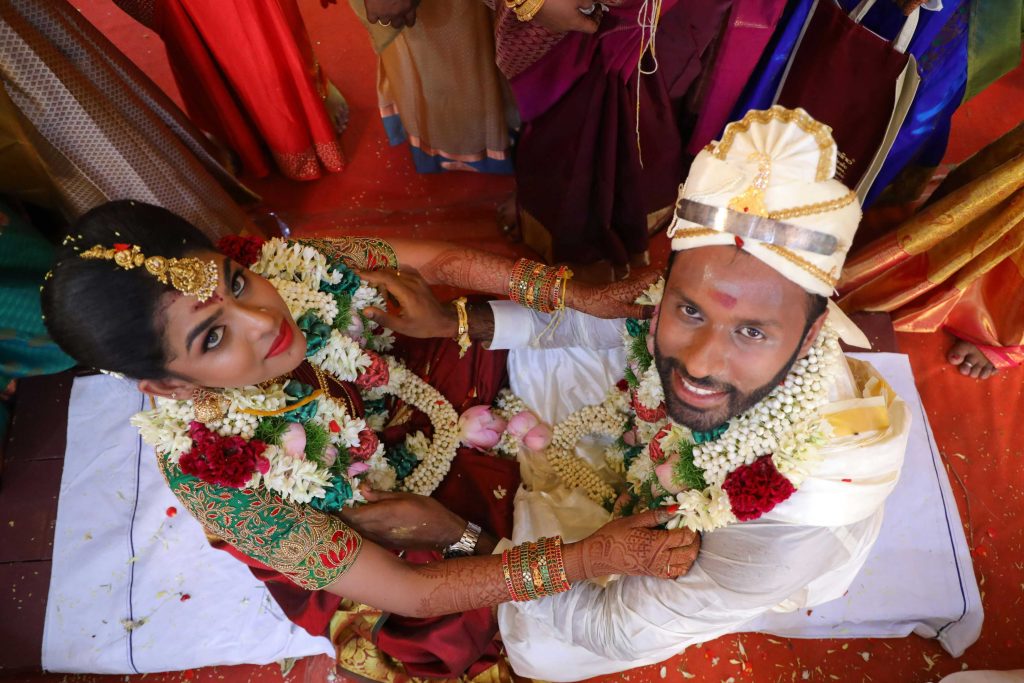
Second marriage after loss is often described as a “new beginning.” But for widowers, it rarely feels that simple.
It isn’t just about meeting someone new. It’s about carrying love, memory, responsibility, grief, and hope in the same heart. It’s about learning to live again without pretending the past didn’t matter. And in a society like India’s—where family, culture, and community opinions shape personal decisions—this journey becomes layered in ways few people talk about.
Many widowers quietly ask themselves:
Is it wrong to want companionship again? Am I moving too fast—or too slow? What if I hurt my children? What if I’m never emotionally ready?
These questions are not signs of weakness. They are signs of awareness.
At SecondSutra, these realities are exactly why the platform exists—to offer widowers a space where second chances are approached with dignity, emotional safety, and respect for the past. If you’re navigating this phase, you don’t have to do it alone. You can begin your second chapter here: Register on SecondSutra
This guide is not meant to scare you. It’s meant to normalize what you’re feeling and give you tools to navigate the challenges widowers face in a second marriage with clarity and confidence.
As Viktor Frankl once wrote, “When we are no longer able to change a situation, we are challenged to change ourselves.”
Second marriage after loss is exactly that kind of transformation.
Challenge #1 – Emotional Healing
Grief doesn’t disappear when life resumes. It reshapes you.
Many widowers enter the idea of a second marriage carrying:
- A quiet ache that never fully leaves
- Fear that happiness equals betrayal
- Unresolved sadness tucked under daily responsibility
- Confusion about whether they’re “ready enough”
You may wonder:
- If I love again, am I disrespecting what I had?
- What if I bring my unresolved grief into a new bond?
- What if I’m just trying to escape loneliness?
These questions don’t mean you shouldn’t remarry. They mean you are emotionally awake.
Research on grief consistently shows that men are more likely to “internalize” loss—returning to routine quickly while postponing emotional processing. Studies on widowhood in India note that emotional vulnerability is often discouraged in men, leaving many widowers to grieve in silence rather than in community.
Over time, this can surface as emotional withdrawal or numbness. Healing doesn’t mean forgetting. It means learning how to carry your past without letting it dominate your future.
As C.S. Lewis wrote after losing his wife, “No one ever told me that grief felt so like fear.”
That fear often sits quietly inside widowers—afraid of loving again, afraid of losing again.
Tools That Help
- Therapy or grief counseling: A professional space allows you to speak without performing strength. Even a few sessions can clarify what you’re holding inside.
- Support groups or reflective communities: Hearing others voice what you’ve been silently carrying reduces isolation.
- Journaling and self-reflection: Writing helps separate memory from meaning. You don’t need to be poetic—just honest.
Emotional readiness isn’t about being “done” with grief. It’s about becoming available for connection again.
Challenge #2 – Family Expectations
Family can be both your anchor and your pressure point.
Widowers often experience two extremes:
- “It’s been long enough. You should move on.”
- “Why do you need to remarry at all?”
Sometimes, these come from the same people.
Parents worry about loneliness. In-laws fear being replaced. Relatives carry cultural scripts about what’s “appropriate.” Some families push for remarriage for stability. Others resist change, emotionally frozen in the past.
You may feel:
- Torn between respect and self-direction
- Guilty for wanting something different from what they expect
- Pressured to follow a timeline that isn’t yours
How to Navigate It
- Set emotional boundaries early. – You can say: “I’m thinking about this carefully. I’ll move when it feels right for me.”
- Separate logistics from emotions. – It’s okay to involve family in introductions and rituals. But your inner readiness is not a committee decision.
- Repeat calm clarity. – You don’t need new explanations every time. Consistency builds respect.
Family concern often comes from love—but love doesn’t get to decide your inner life.
Challenge #3 – Children’s Adjustment
If you have children, this is often the heaviest emotional weight you carry.
You may worry:
- Will they feel replaced?
- Will they think I’m forgetting their mother?
- What if they resent my partner?
Children grieve differently. Some talk. Some withdraw. Some adapt quickly. Some carry loyalty conflicts they cannot articulate.
They might believe:
- Accepting someone new means letting go of their mother
- Your happiness equals their loss
- Their family is being “broken again”
Gentle Approaches
- Involve them in conversation, not decisions. – They don’t choose your partner—but they deserve emotional inclusion.
- Validate emotions without defensiveness. – “It’s okay to feel confused or upset. You don’t have to like this immediately.”
- Move slowly. – Let trust grow through everyday moments.
- Reassure continuity. – Make it clear: their mother remains part of your family story.
When children are involved, second marriage becomes as much about emotional safety as it is about partnership—learning how to co-parent and talk about change with care makes all the difference.
Children don’t need perfection. They need honesty and emotional safety.
Challenge #4 – Learning to Trust Again
Loss teaches the heart that nothing is guaranteed.
Widowers often experience:
- Fear that history will repeat itself
- Emotional guardedness
- Exhaustion at the thought of vulnerability
- A quiet voice saying, “I survived once. I won’t survive again.”
You may keep people at arm’s length—not because you don’t want connection, but because you know what it costs.
As Brené Brown writes, “Vulnerability is not weakness; it’s our greatest measure of courage.”
Trust doesn’t mean believing nothing will go wrong. It means choosing connection despite uncertainty.
That takes time. It’s okay to:
- Move slowly
- Ask questions
- Be honest about your pace
- Choose someone who respects emotional boundaries
Second marriages thrive not on intensity, but on safety.
Challenge #5 – Social Stigma & Judgment
Even in a more accepting India, widowers still hear:
- “Isn’t it too soon?”
- “Why now?”
- “Why not just focus on your children?”
- “No one can replace your wife.”
You may feel watched. Evaluated. Discussed in conversations you’re not part of.
Society loves timelines. Grief doesn’t.
What makes this hard is that these comments often come from people who mean well. But intention doesn’t erase impact.
What Helps
- Decide whose opinions matter. (It’s a short list.)
- Remember: people project their fears onto your life.
- Use simple language: “I’m choosing this thoughtfully. Please respect that.”
You are not obligated to perform grief in a way that makes others comfortable.
Real Talk – Stories We’ve Come Across
Over the years, through communities, conversations, and shared experiences, we’ve come across stories that reflect these challenges honestly.
One widower waited nearly three years before considering dating. His fear wasn’t about marriage—it was about emotional failure. When he finally opened himself to connection, it wasn’t romance that changed him. It was being seen again without expectation.
Another remarried within a year due to family pressure. He carried unresolved grief into the new relationship. It wasn’t disastrous—but it was distant. Only after seeking counseling did he realize he had never allowed himself to mourn.
A third story involved a man with teenage children who refused to meet his partner for months. Instead of forcing it, he gave them time. Today, they aren’t close—but they are respectful. And that is enough.
None of these journeys were perfect. All of them were human. Growth doesn’t look like certainty. It looks like awareness.
Actionable Solutions
Second marriage becomes healthier when approached consciously. Try:
- Self-check-ins: Ask yourself regularly: Am I choosing connection, or escaping pain?
- Professional guidance: Therapy is not a sign of damage—it’s a sign of intention.
- Slow dating: You don’t need urgency. You need alignment.
- Choosing emotionally aligned platforms: Spaces designed for second marriages attract people who understand complexity—grief, children, timelines, and emotional nuance.
Demographic research in India also shows that prolonged isolation after spousal loss is associated with higher health and mortality risks—reminding us that companionship is not weakness, but wellbeing.
This is where purpose-built spaces like SecondSutra make a difference. Whether you explore quietly, read stories, or begin conversations at your own pace, you deserve an environment that respects where you are.
Some widowers prefer starting small—by observing, reading, or joining a community before engaging fully. You might explore the SecondSutra Android app or iOS app, or even join the WhatsApp community to listen, learn, and feel less alone. These aren’t commitments—they’re doorways.
Others find confidence through preparation. Tools like a free biodata maker, matrimonial bio generator, or a simple profile photo editor can help you show up with clarity—without pressure.
Every small step counts.
Conclusion
The challenges widowers face in second marriage are not barriers. They are signposts. They tell you where tenderness exists. Where healing is needed. Where intention matters.
A second marriage after loss doesn’t need to be rushed, perfect, or dramatic. It can be grounded. Conscious. Quietly hopeful. You are not broken for wanting connection again. You are human.And you deserve a future that holds both memory and meaning. When you’re ready—whether today or months from now—you can begin your second chapter with dignity and clarity: Register on SecondSutra