
Feeling guilty after divorce can feel confusing and heavy. However, is it possible to do the right thing and still feel like you did something wrong?
If you are feeling guilty after a divorce, this question may feel painfully familiar.
You made a decision that took everything you had. You chose your peace, your future, your well-being. Yet, here you are, lying awake at night, the weight of guilt pressing quietly against your chest.
Feeling guilty after divorce doesn’t mean you made a mistake. It means you’re human. In fact, it reflects that you loved, you hoped, you tried. And now you’re learning how to carry all of that forward.
You’re not broken. You’re thoughtful.
Divorce is rarely just a legal event. It is an emotional excavation. The paperwork ends, but the feelings don’t follow a schedule.
If you are feeling guilty after divorce, know this: guilt is one of the most common emotions people experience. However, it remains one of the least talked about. While society acknowledges the decision to leave, it often overlooks the complexity of what comes after.
“Divorce isn’t such a tragedy. A tragedy’s staying in an unhappy marriage, teaching your children the wrong things about love.” — Jennifer Weiner, Fly Away Home
Moreover, at SecondSutra, we understand that your journey toward a second chance at love begins not with a profile—but with understanding yourself first.
Then, when you feel ready—not rushed, not pressured—SecondSutra is here as a safe, judgment-free space. You can begin here: Register on SecondSutra, and easily access the SecondSutra app on Android and iOS to browse matches at your own pace.
Understanding your emotions can help you reflect on your emotional readiness before taking the next step. Your second chapter deserves to be written on your own terms.
Feeling Guilty After Divorce: Where Does This Guilt Come From?
Many of us were never taught how to sit with difficult emotions. We were taught to move on, stay strong, and not dwell.
Therefore, when feeling guilty after divorce shows up—quietly but persistently—we don’t always know how to process it.
Here are some common sources of this guilt:
1. Feeling Guilty After Divorce: Guilt Toward Yourself
“I should have tried harder.”
“Maybe I chose the wrong person.”
“It feels like I ruined my life.”
Still these thoughts feel real—but they are not facts. They are emotional reactions.
Ask Yourself
- Would I say this to someone I love?
- Is this thought kind—or just familiar?
- What would compassion sound like right now?
Research shows that practicing self-compassion—treating yourself with the same kindness you would offer a loved one—can significantly ease emotional distress after divorce and support healthier healing.
2. Guilt Toward Your Children
“I made them suffer.”
“I should have stayed—for them.”
But children don’t need perfect families. They need emotionally healthy environments.
Ask Yourself
- What kind of relationships do I want my children to believe are normal?
- Am I confusing guilt with love?
For more guidance, don’t miss our blog on how to talk to your children when considering remarriage.
3. Guilt Toward Family and Society
“I broke the family.”
“What will people say?”
Also, social expectations can make feeling guilty after divorce feel heavier than it needs to be.
Ask Yourself
- Whose voice is this guilt really coming from?
- Is this my truth—or someone else’s expectation?
4. Guilt Rooted in Beliefs
“Did I do something wrong?”
“Will I be judged for this?”
Similarly, many belief systems also speak of compassion, healing, and second chances.
Ask Yourself
- Can I hold both my values and my humanity together?
- Does my belief system allow space for growth?
Feeling Guilty After Divorce Is Normal — Please Don’t Feel Guilty About That Too
Guilt is not weakness. It is a sign that you cared.
When you are feeling guilty after divorce, you are also likely feeling many other things—grief, anger, loneliness, relief, confusion. These emotions don’t come one at a time. They overlap.
And here’s something important:
Grief is not linear.
Some days will feel lighter.
Some days will feel heavy again.
That doesn’t mean you’re not healing.
It means you are.
When you feel ready, take the next step gently: Register on SecondSutra and explore matches at your own pace, in a safe, understanding, and judgment-free space.
Understanding Your Emotions After Feeling Guilty After Divorce
Before you search for a partner, there is someone important to reconnect with—you.
1. Grief — Not Just the Marriage, But Who You Were
- You are grieving the relationship.
- You are also grieving the future you imagined.
- And the version of yourself who believed in it.
This is not failure. This is growth.
For a broader perspective on how different life experiences shape these emotions, don’t miss our blog on Divorce vs Widowhood: The Emotional Truth No One Talks About.
Ask Yourself
- What did I hope for when I got married?
- And What have I learned about myself since then?
2. Anger — And Unanswered Questions
Sometimes anger hides beneath guilt.
You look for answers. Closure. Reasons.
But not every story gives you that.
Ask Yourself
- Am I blaming myself for everything?
- Can I allow some questions to remain unanswered?
3. Loneliness — Unfamiliar, Not Permanent
The quiet after divorce can feel uncomfortable.
But it is not emptiness. It is space.
Space to rediscover yourself.
Ask Yourself
- What small things bring me comfort?
- What parts of myself do I want to reconnect with?
Research in India shows that divorce is often linked with emotional distress, including anxiety, stress, and loneliness—especially when individuals lack adequate social support.
4. Self-Doubt — Learning to Trust Yourself Again
“If I chose wrong once, what about next time?”
This is a natural part of feeling guilty after a divorce.
But you are not the same person anymore. You’ve grown.
As you rebuild trust in yourself, don’t miss our blog on Self-Love After Divorce to understand how self-worth plays a key role in moving forward.
Ask Yourself
- What have I learned about relationships?
- What do I need differently now?
How to Cope with Feeling Guilty After Divorce
If you are still feeling guilty after divorce, begin gently:
- Notice your thoughts without judging them
- Replace self-blame with curiosity
- Allow yourself time—healing cannot be rushed
- Speak to yourself with kindness
As you continue healing, you can also gain more clarity on emotional readiness and gently reflect on where you are in your journey through our blog.
Your Story Is Continuing—Not Ending
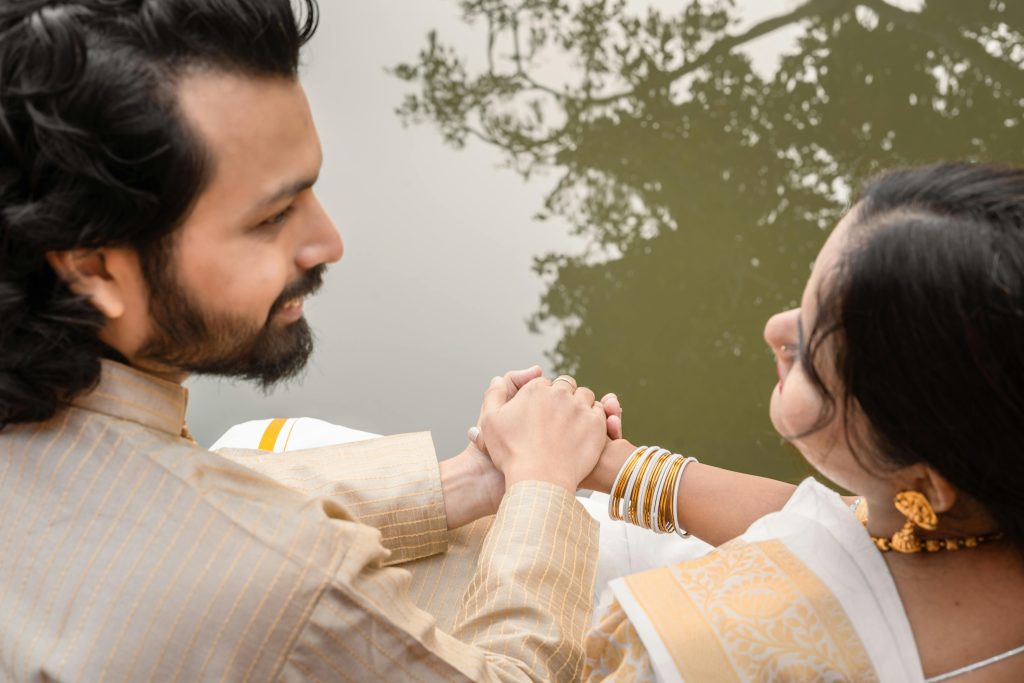
A second marriage is not about replacing your past.
It is about continuing your story—with more clarity and awareness.
You can also explore our blog on Alphabet of Second Chances in Relationship for a fresh perspective on embracing new beginnings.
There is no pressure. Only your timing.
Gentle Readiness Checklist
You may be ready to begin again if:
- You don’t blame yourself for everything anymore
- You can think about the past without overwhelming pain
- And You feel open—even slightly—to connection
- You trust yourself a little more
- You are curious about the future
You don’t need to feel “fully healed.” Just willing.
As you feel ready to take the next step, having a clear and well-structured marriage biodata can help you present yourself with confidence.
The Emotional Truth: Where You’re Going
- Guilt is a feeling—not a verdict.
- Healing is not linear—but it is happening.
- Your story is not over—it is evolving.
Take your time. When you’re ready—whether today or years from now—you deserve a space that honours your pace, your history, and your hope. SecondSutra is designed for those who value timing, dignity, and emotional safety. Begin when it feels right: Register on SecondSutra, and easily access the SecondSutra app on Android and iOS to explore suitable matches at your own pace.
And when you’re ready—you will know.