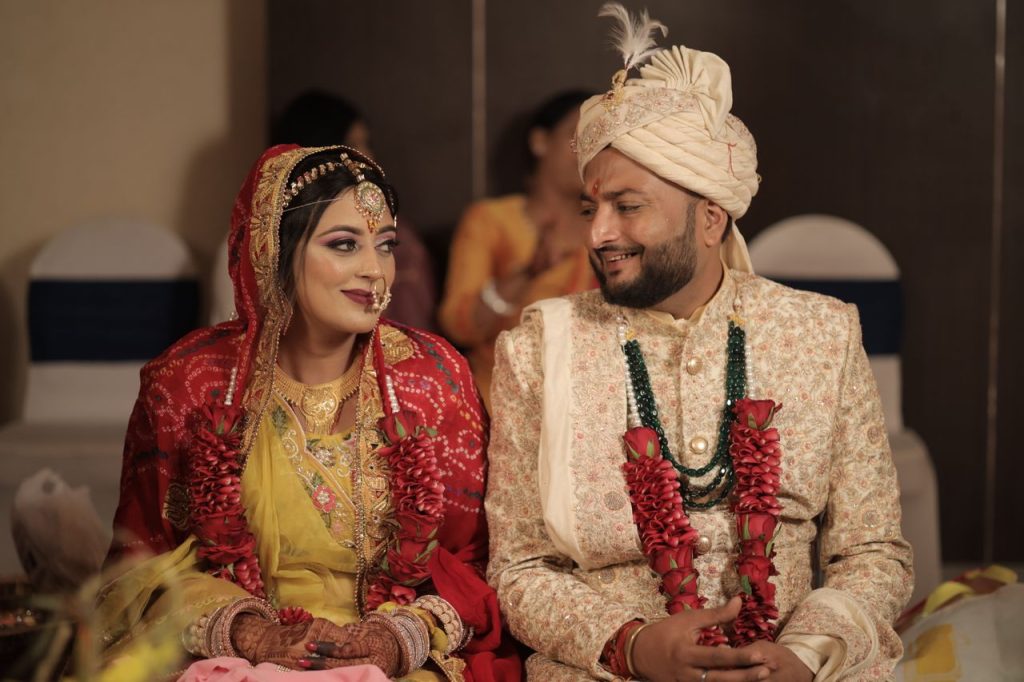
Widow marriage in India represents a courageous choice to embrace life, companionship, and emotional safety once again. Can a heart broken by profound loss find deep, joyful love in a brand-new chapter? Thousands of resilient Indian women answer this question with quiet confidence every single year. Register on SecondSutra or download our app on Android or iOS. Connect with verified, genuine life partners who value transparency and sound legal readiness.
This practical guide breaks down legal protections, property rights, and cultural attitudes across our society. Understanding codified statutes safeguards your financial independence while you rebuild your personal life. A second marriage offers a dignified path toward mutual respect, happiness, and lifelong security.
Quick summary: Key takeaways at a glance
- Social acceptance is growing: Modern Indian families now actively support widows seeking companionship, moving away from outdated social stigmas.
- Absolute right to remarry: Personal and civil laws give adult women complete legal freedom to enter a second marriage without outside interference.
- Inherited property stays yours: Section 14 of the Hindu Succession Act ensures you retain full ownership of property inherited from a late spouse.
- Child custody remains protected: Biological mothers maintain their natural guardianship rights, and children keep all ancestral inheritance claims.
- Step-by-step clarity: Having essential documents organized helps you complete registration smoothly and start over with peace of mind.
The Social shift around widow marriage in India
Cultural perceptions surrounding marriage are shifting rapidly across both metropolitan cities and smaller towns. Modern families increasingly reject outdated stigmas and actively champion personal happiness over traditional isolation.
Changing family dynamics and acceptance
Parents and progressive in-laws now step forward to support a daughter’s decision to remarry. They recognize that lifelong isolation harms emotional well-being and overall mental health.
- Families actively create matrimonial profiles to help young widows find loving partners.
- Relatives prioritize long-term emotional stability over outdated community gossip and social judgment.
- Households celebrate second unions openly with close friends, festive rituals, and genuine joy.
Matrimonial platforms witness an encouraging rise in positive interest and supportive inquiries for second marriages. Discover how changing perspectives shape modern connections in our feature on why widow and widowers get more interest.
Emotional companionship over mere survival
In earlier decades, society viewed widow marriage in India solely as a financial arrangement. Today, financially independent women remarry to find intellectual parity, emotional depth, and genuine friendship. They seek partners who value their lived experiences and honor their personal agency. Modern relationships thrive on mutual transparency, emotional equality, and authentic companionship.
Embracing blended families with open hearts
Prospective grooms and modern families welcome children from previous marriages with warmth and dignity. Blended families are becoming increasingly common across Indian urban communities.
- Grooms embrace their roles as supportive mentors and stable parental figures.
- Children gain safe environments where their feelings receive patience and care.
- Couples build inclusive homes where past memories are respected with kindness.
Legal rights and safeguards for widow marriage in India
Indian legislation guarantees complete legal freedom and financial security for any woman entering remarriage. The law protects your personal autonomy, assets and biological parental authority unconditionally.
Register on SecondSutra or download our app on Android or iOS today. Meet verified, genuine matches who respect your personal journey and legal independence.
Absolute statutory right to remarry
The Hindu Marriage Act, 1955 grants every adult woman the unreserved right to remarry. No relative or former in-law holds legal standing to block your lawful marriage. The Special Marriage Act, 1954 also provides a clear, civil registration route. You can register your union easily at your local sub-registrar office.
| Essential Document | Legal and Administrative Purpose |
| Death Certificate of Spouse | Proves civil status for fresh marriage registry |
| Legal Heir Certificate | Validates Class-I inheritance and asset ownership |
| Government ID Records (PAN/Card) | Updates personal details across state databases |
| Asset Nomination Forms | Protects bank accounts, pensions, and insurance |
| New Marriage Certificate | Establishes conclusive legal marital validity |
Widow marriage in India: Property ownership and inheritance protections
Property rights often cause unnecessary anxiety for women planning widow remarriage in India. Section 14 of the Hindu Succession Act, 1956 establishes absolute female property ownership.
- Any property inherited from your late husband remains yours after remarrying.
- Remarriage does not take away assets already vested in your name.
- Widows inherit equal Class-I shares alongside biological children and mothers-in-law.
- You retain full legal ownership of your inherited assets even after remarriage.
Understanding statutory inheritance rules prevents confusion regarding ancestral estates and self-acquired wealth. Read our detailed guide on second wife property rights in India to safeguard your financial future.
Widow remarriage in India: Natural custody and children’s rights
A widowed mother remains the natural legal guardian of her minor children. Remarrying never forfeits your custody rights under established Indian guardianship statutes. Furthermore, your remarriage does not affect your children’s ancestral claims. They remain legal Class-I heirs to their late father’s entire estate.
Indian courts routinely reaffirm that remarrying cannot erode family inheritance rights. A recent High Court ruling on remarriage and family inheritance clarifies that ancestral claims pass safely to children. These legal protections give widowed mothers complete confidence while building a new home.
Widow marriage in India: Practical steps for starting over with confidence
Healing emotionally requires equal attention alongside checking official paperwork and managing family discussions. Approaching your new life with self-compassion creates the foundation for lasting joy.
Releasing guilt and honoring the past
Many women experience intense survivor guilt when they begin dating or meeting prospects. Remember that grief and fresh happiness can live side by side peacefully.
- Choosing love does not diminish the affection shared with a late spouse.
- Moving forward honors your resilience and celebrates the gift of human life.
- Healthy partnerships give you room to remember the past without fear.
Rebuilding personal confidence starts with self-worth before stepping into another marital commitment. Explore how internal healing empowers your journey in why self-love is the key to a second marriage after divorce or loss.
Guiding children through the transition
Introduce prospective partners to your children with gentle pacing and total honesty. Assure them that a new companion never replaces their biological father. Allow your children time to express their doubts, fears, and hopes freely. Patient conversations build lasting trust between your children and your new partner.
Setting Firm Boundaries with Extended Circles
Maintain warm ties with former in-laws while protecting your own life choices. Make key personal decisions independently or with your immediate trusted support network.
- Communicate your matrimonial plans with calm dignity rather than seeking permission.
- Prevent distant relatives from imposing unfair emotional expectations upon your household.
- Protect your financial independence by keeping bank assets clearly organized.
FAQ
Does a widow forfeit inherited property upon remarrying?
No, she does not lose her property under current law. Section 14 of the Hindu Succession Act confirms her absolute ownership rights.
Can in-laws claim child custody after a mother remarries?
No, the biological mother remains the primary natural legal guardian. Indian family courts prioritize the overall welfare of minor children above all.
Which statutes govern widow marriage in India?
Marriages occur under the Hindu Marriage Act or the Special Marriage Act. Both statutes offer identical legal protections and civil marital standing.
Conclusion: Embrace your next chapter today
Beginning a fresh matrimonial journey brings companionship, emotional fulfillment, and genuine belonging. A second marriage is an empowering choice rooted in self-worth, healing, and personal agency.
Indian legal frameworks fully secure your inherited assets, dignity, and parental authority. You do not need anyone’s permission to rebuild your life on your own terms. Surrounding yourself with empathetic, open-minded individuals makes this transition smoother and deeply rewarding.
Take your next step with total assurance and peace of mind. Register on SecondSutra for free or download our app on Android or iOS. Connect with verified, genuine life partners ready for a secure, fresh start together. Your future holds warmth, companionship, and a beautiful community ready to support you.